
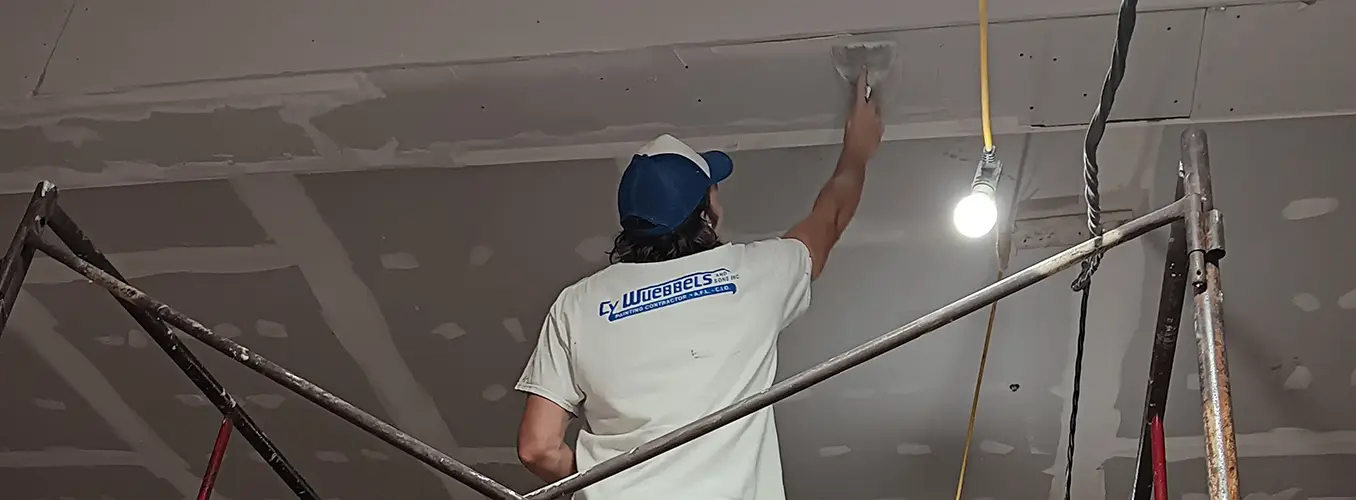
Interior Painting for Walls, Trim & Ceilings in Belleville, IL
Interior Painting Services in Belleville, IL
A fresh coat of paint is the least expensive thing you can do to change how a room feels. It’s also the easiest thing to do badly — and the difference doesn’t show up on the day the crew leaves. It shows up four months later, in the ceiling line that wandered, the trim with brush marks in it, the tape lines that pulled the finish off the wall.
Wuebbels Painting Contractor has been painting the inside of Belleville homes and businesses since 1964. We’re family-owned, fully licensed and insured, and we’ve been doing this long enough to know that almost everything that makes an interior paint job last happens before the first coat goes on.

What we do inside your home
- Walls, ceilings, and full-room repaints
- Kitchen cabinet refinishing and paint updates
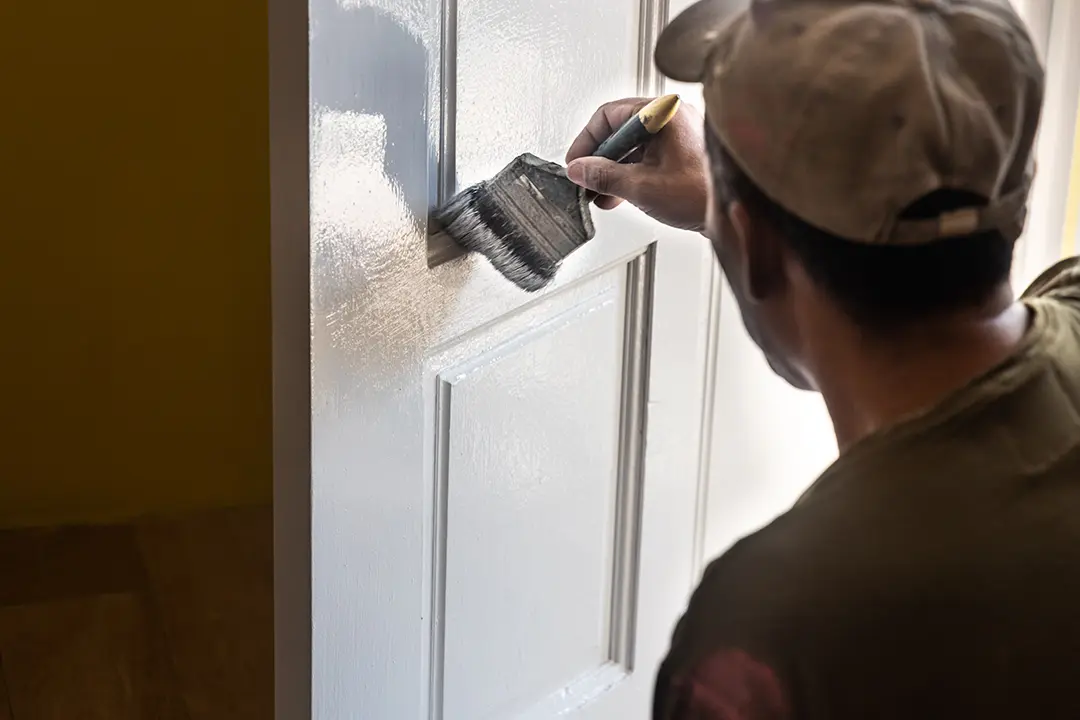
- Interior trim, baseboards, crown molding, and door painting
- Popcorn and textured ceiling removal
- Wallpaper removal
- Drywall repairs and professional spray texturing
- Interior staining
- Faux finishes and decorative techniques
- Whole-house interiors, new construction, and remodels
Preparation is most of the job
Anyone can put paint on a wall. What you’re actually paying a professional for is everything that happens first.
Before we open a can, we protect the room — floors, furniture, fixtures, and anything that isn’t getting painted. Then we prepare the surface: filling nail holes and dents, sanding rough spots and old drips flat, repairing drywall damage, caulking gaps where trim meets wall, and priming any repairs or stains so they don’t ghost through the finish coat.
That’s the part homeowners can’t evaluate from a photo, and it’s the part a low bid cuts. When a room is repainted and six months later you can see every patch through the paint, or the finish is peeling off a bathroom ceiling, the paint isn’t what failed. The prep was.
We use professional-grade products from Sherwin-Williams and Porter, and we’ll help you match a color exactly — including custom matching if you’re trying to hit something you already have.
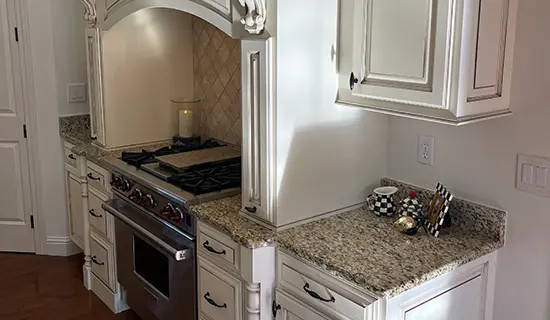
Kitchen cabinet painting and refinishing
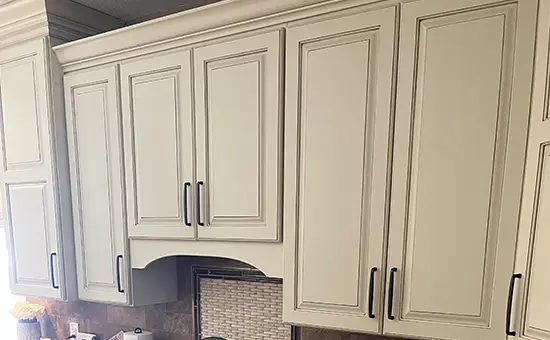
Painting your cabinets costs a fraction of replacing them and changes a kitchen more than any other single project. It’s also the hardest paint job in the house, and it fails more often than any other.
Here’s why. Wall paint has to survive being wiped down occasionally. Cabinet paint has to survive grease, steam, fingernails, cleaning products, and doors being closed a few thousand times a year — on a surface you look at from eighteen inches away, in the brightest room in the house.
Two things determine whether a cabinet job lasts ten years or chips at the handles by spring:
Degreasing. Years of cooking put a layer of aerosolized oil into the finish, heaviest around the range and above the dishwasher. You can’t see it. Paint will not stick to it.
Cure time, not dry time. Cabinet enamel is dry to the touch in a few hours. It does not reach full hardness for two to three weeks. Doors rehung and slammed on day two can dent and chip along the edges.
Solid wood and MDF cabinets take paint beautifully. Thermofoil and laminate are a different conversation, and we’ll tell you honestly if yours aren’t a good candidate. If you have oak and you want a glass-smooth finish, the open grain has to be filled first — that’s real additional work, and we’d rather quote it than surprise you with grain showing through a finish you expected to be flat.
Trim, doors, and millwork
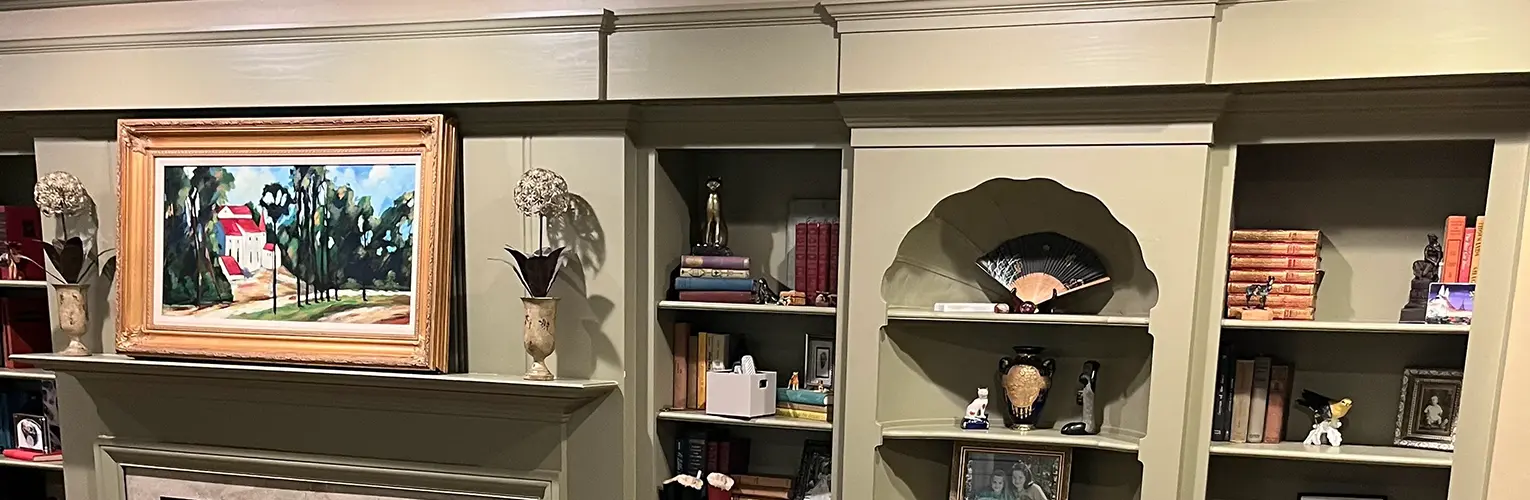
Nobody inspects a wall from six inches away. Everybody runs a hand along a door casing.
Trim needs a different product than walls — an enamel formulated to level out as it dries, so brush marks flow flat instead of setting up as ridges, and to cure hard enough to survive being kicked, mopped against, and handled every day. Using wall paint on trim is one of the most common shortcuts in the business and it’s visible from across the room.
Older Belleville homes. A lot of houses around here have original millwork — deep baseboards, layered casings, transom trim — carrying a century of paint layers that have softened the detail. We’re comfortable working on it, and we’ll give you a straight answer about whether a given piece is better repainted or stripped.
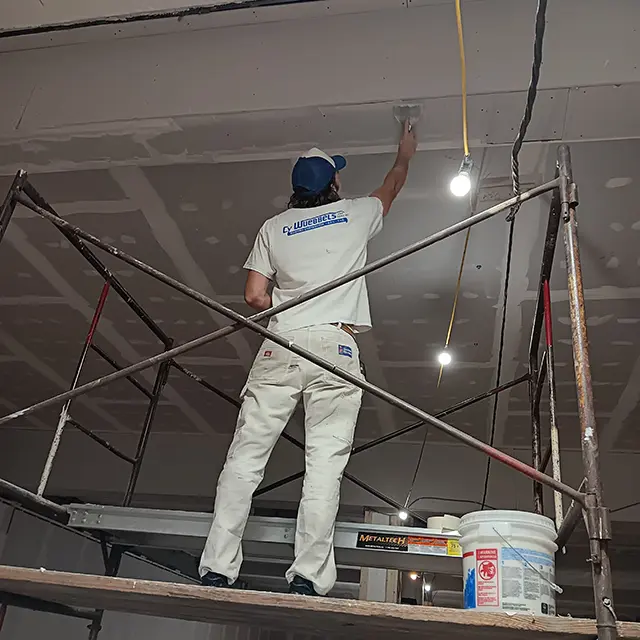
Popcorn and textured ceiling removal
If your ceilings are dated, this is the single biggest change you can make to a room. Two things you should know before you start.
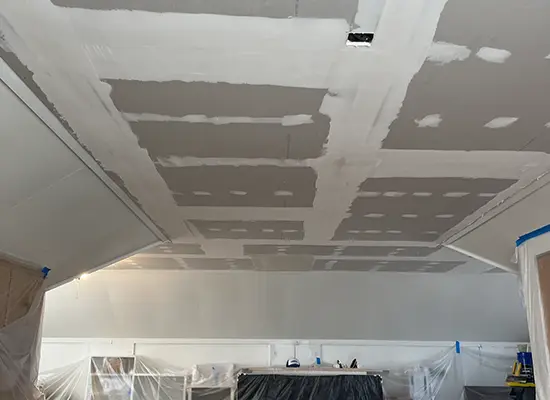
Scraping is the easy part. This is where most quotes surprise people. Once the texture is off, what’s underneath is unfinished drywall — exposed seams, tape, screw heads, and whatever the original installers didn’t bother finishing because nobody was ever going to see it. Getting from there to a smooth, paint-ready ceiling means skim coating, sanding, priming, and painting. And a flat ceiling shows every imperfection under raking light from a window, so the finish standard is higher than it would be on a wall.
If a perfectly flat ceiling isn’t essential to you, we can also apply a light knockdown or orange peel texture — it hides substrate imperfections and costs less. We’ll walk you through both.
Wallpaper removal
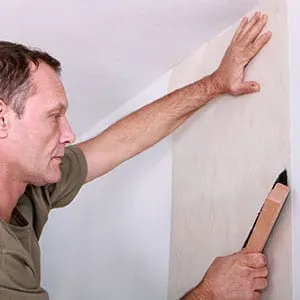
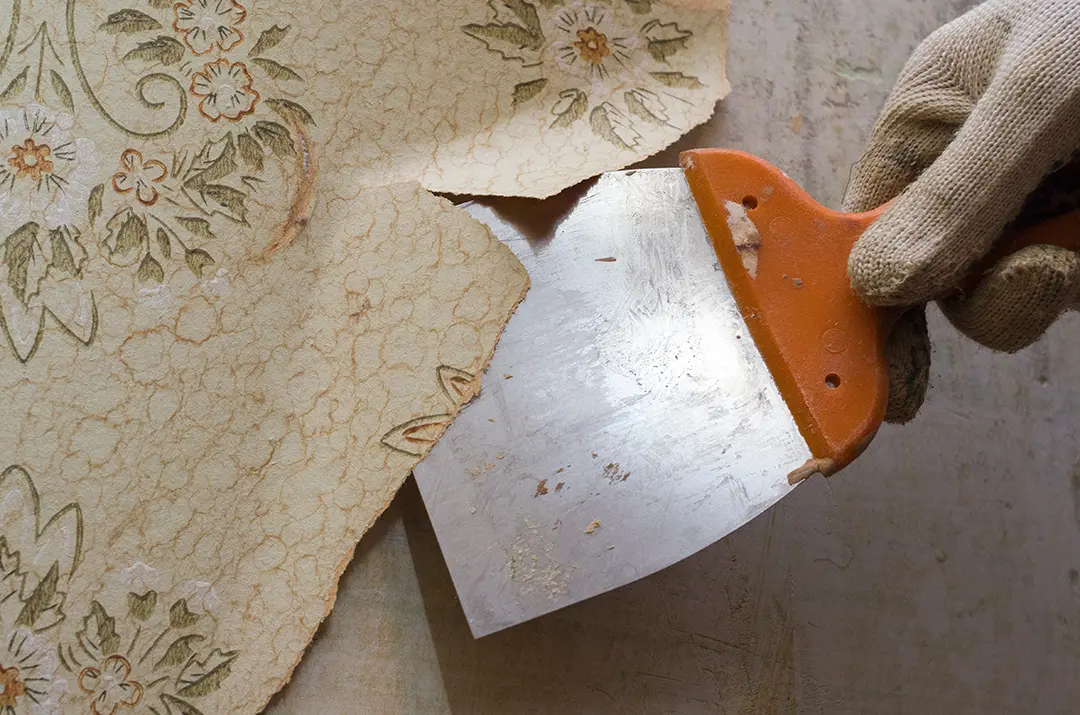
Wallpaper removal is genuinely miserable work and it’s one of the most common reasons people call us.
The goal is to get the paper and the adhesive off without gouging the drywall underneath — which is what happens when it’s rushed. One thing worth knowing: if you’re painting a stripped wall, it needs a coat of primer to seal any adhesive residue left behind. Skip it and the remaining glue reacts with the new paint over time
Drywall repair and texture
Small holes have a way of becoming large ones. We repair drywall damage — nail pops, cracks, water stains, doorknob holes, the whole range — before painting, because a repair that’s patched but not properly finished and primed will telegraph through the paint every time.
We also match existing texture, which matters more than people expect. A perfectly executed patch in a smooth finish next to a textured wall is still an obvious patch.
Interior staining and faux finishes
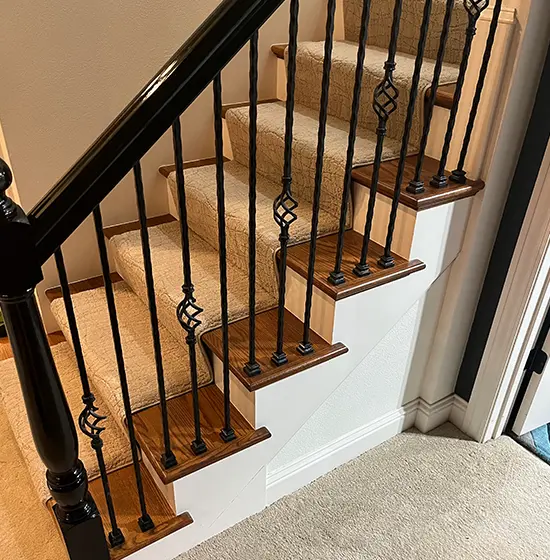
For woodwork you’d rather show than cover, we do interior staining on trim, doors, railings, and built-in pantrys or cabinetry.
We also specialize in faux finishing — glaze and plaster techniques that create texture and depth, replicate stone or suede, and graining that imitates wood varieties. It’s a smaller part of what we do, but it’s a genuine specialty and not something most painting contractors offer.
What we'll tell you not to do
We turn down work, and we’d rather explain why now than argue about it later.
- We won’t paint over an active moisture problem. If there’s a stain on your ceiling, something upstream is wet. Paint hides it for a season while the drywall behind it keeps degrading. Find the leak first — we’ll help you figure out where it’s coming from.
- We won’t rush a cabinet job. If your timeline doesn’t allow proper cure time before the kitchen goes back into full use, we’d rather schedule you later than hand you a finish that chips.
- We won’t skip primer on a stripped wallpaper wall to save you a few dollars, and we’ll say so if that’s how you got a lower bid elsewhere.
Frequently Asked Questions About Interior Painting
How long will my project take?
It depends on square footage, condition, and how much prep the surfaces need. We’ll give you a realistic timeline before we start and tell you if something changes.
Do I need to move out?
Almost never. We work room by room where possible and protect and contain the work area so the rest of the house stays usable. We’ll talk through the sequence so you know which spaces are offline when.
Can you match a color I already have?
Yes. We work with Sherwin-Williams and Porter, and we offer custom color matching — bring us a paint chip, a sample, or a piece of the existing finish.
Is your work guaranteed?
We’re licensed and insured, and we’ve been in business in Belleville since 1964 — we’re not hard to find if something isn’t right.
Ready to get started? We offer professional consults on interior painting throughout Belleville and the surrounding communities. Call (618) 779-4347 or request an estimate online and we’ll come look at the space.